
How to Build a Culture That Reduces Turnover and Improves Accountability
Employee turnover costs U.S. businesses roughly $1 trillion per year, yet up to 75% of voluntary exits are preventable. The gap between what organizations spend on replacing people and what they invest in keeping them is staggering. Building a culture that reduces turnover and strengthens accountability is not about perks or pizza parties. It starts with how leaders connect, mentor, and model trust every single day. Below, you will find a practical framework for making that shift, grounded in research and real-world leadership experience.
Understanding the Isolation Tax of Leadership
The Isolation Tax is the hidden cost organizations pay when leaders feel alone at the top. It shows up as high turnover, underperforming managers, and decisions made in silos. Jamie Mason Cohen, a mentorship keynote speaker and Vistage Top Performer 2025, coined the term after years working behind the scenes at Saturday Night Live with Lorne Michaels.
When CEOs and senior leaders lack a trusted circle of mentors or peers, they burn out faster and make costlier mistakes. According to Gallup's 2025 research, 70% of team engagement is attributable to the manager. If that manager is isolated, the ripple effect reaches every layer of the organization.
The Real Cost of Turnover
Turnover is not just an HR metric. It is a strategic cost center that erodes profitability quarter after quarter. Replacing a single leader or manager can cost approximately 200% of their annual salary, while frontline workers cost around 40%, according to Gallup.
The Numbers Behind the Problem
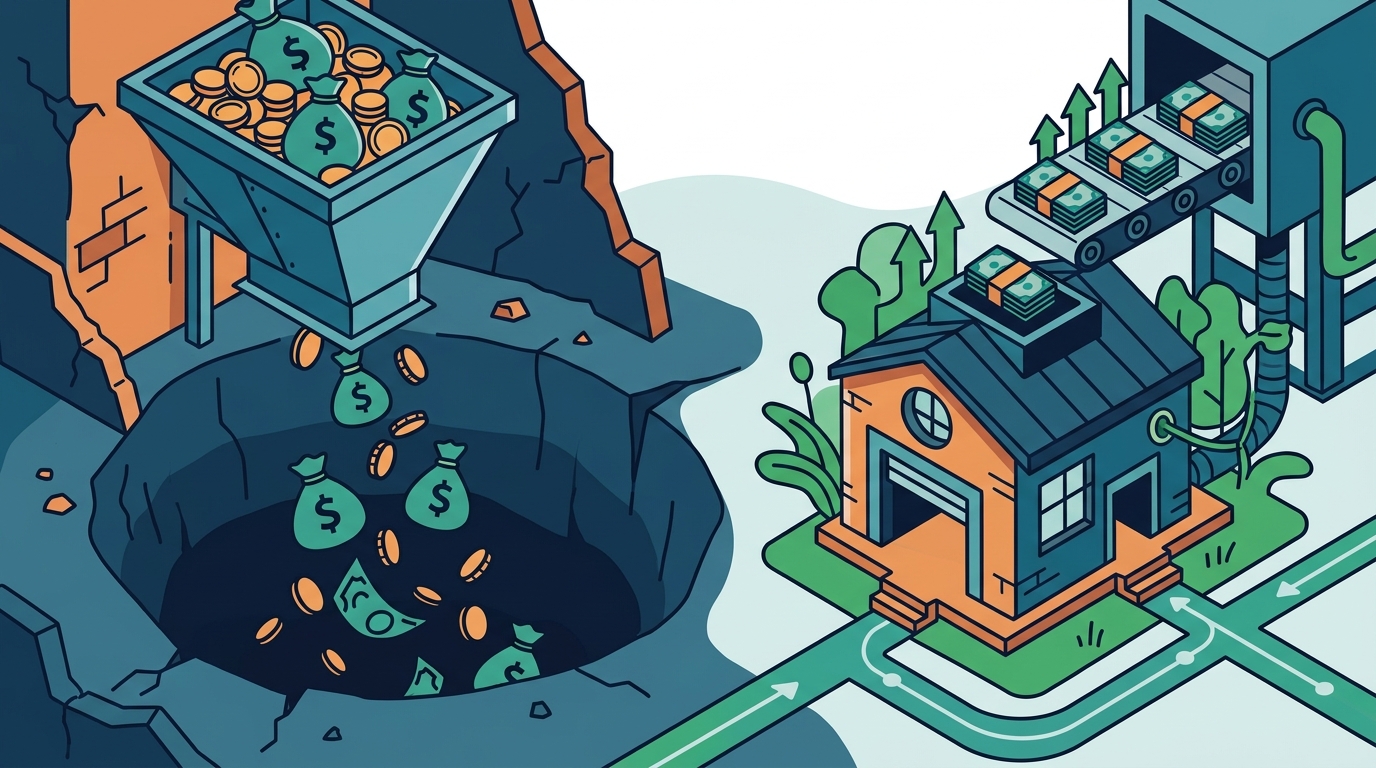
The Work Institute's 2024 Retention Report found that U.S. companies spent nearly $900 billion replacing employees who quit in 2023. Meanwhile, 51% of U.S. employees are actively searching or watching for new roles. These are not disengaged outliers. They are your high performers weighing their options.
Why Leaders Leave
The top reasons cited for voluntary departures include engagement and culture (37%), well-being and work-life balance (31%), and leadership or management quality (9%). Notice that pay ranks far lower than most executives assume. Culture eats compensation for breakfast.
What a Mentorship Culture Actually Looks Like
A mentorship culture is an organizational environment where knowledge-sharing, trust, and guided development are embedded into daily operations rather than confined to a formal program. It is the difference between assigning a buddy on day one and building systems where every leader actively develops the people around them.
Research shows that retention rates for mentees (72%) and mentors (69%) are significantly higher than for employees without mentoring relationships. Organizations like those using Jamie Mason Cohen's frameworks report performance improvements of up to 20% through structured mentorship approaches.
Mentorship vs. Management
Management is about process. Mentorship is about people. When leaders shift from purely managing tasks to mentoring individuals, accountability becomes a natural byproduct of trust. According to LinkedIn's Learning Report, mentorships ranked number one among top L&D program areas in 2023.
Accountability Through Connection, Not Control
Most organizations try to solve accountability problems with more tracking, more KPIs, and more check-ins. That approach misses the root cause. Accountability is the willingness to own outcomes, and it grows only in environments where people feel psychologically safe enough to be honest about what is working and what is not.
Jamie Mason Cohen's keynote Saturday Night Leaders: What's Your 11:30? draws on lessons from Lorne Michaels: when the deadline is non-negotiable and the stakes are real, high-performing teams rely on trust, not surveillance. That principle applies to every boardroom and every quarterly review.
When 84% of CEOs credit mentors with helping them avoid costly mistakes (Harvard Business Review), the link between mentorship and accountability becomes impossible to ignore.
A Five-Step Framework for Culture Change
Step 1: Diagnose the Isolation Tax
Survey your leadership team anonymously. Ask whether they have a trusted advisor outside their direct reports. If less than half say yes, the Isolation Tax is already costing you.
Step 2: Train Managers as Mentors
Gallup found that only 44% of supervisors received formal training in 2024. Equip your managers with coaching skills, feedback frameworks, and structured one-on-one cadences. Organizations that invest in manager capability see measurable engagement lifts within two quarters.
Step 3: Build Structured Mentoring Pairs
Match mentors and mentees intentionally. Programs with goal-setting sessions achieve 92% of stated objectives. Explore leadership development tools and frameworks to formalize the process.
Step 4: Communicate Under Pressure
Culture is tested during crises, not calm. Teach leaders to communicate effectively in high-pressure situations so trust does not collapse when the stakes rise.
Step 5: Measure and Share Stories
Track retention, engagement scores, and promotion rates before and after launching mentorship initiatives. Then share stories that inspire leaders to sustain momentum across the organization.
Turnover Cost Comparison by Role Level
| Role Level | Replacement Cost (% of Salary) | Example at $100K Salary | Impact of Mentorship on Retention |
|---|---|---|---|
| Executive / Senior Leader | ~200% | $200,000 | 84% of CEOs credit mentors with avoiding costly mistakes |
| Manager / Supervisor | ~100-150% | $100,000 - $150,000 | 70% of team engagement tied to manager quality |
| Technical / Professional | ~80% | $80,000 | 72% retention rate for mentees vs. lower for non-mentored |
| Frontline / Entry-Level | ~40% | $40,000 | 50% of younger workers stay longer with mentorship programs |
Key Takeaways
- The Isolation Tax of Leadership is a hidden cost that drives turnover, burnout, and underperformance when leaders lack trusted mentors.
- Up to 75% of voluntary employee exits are preventable with the right culture and leadership investment.
- Replacing a senior leader can cost 200% of their annual salary, making retention far cheaper than recruitment.
- Mentorship cultures produce significantly higher retention rates (72% for mentees, 69% for mentors) compared to non-mentored employees.
- Accountability grows from trust and connection, not from surveillance and micromanagement.
- Training managers as mentors is the single highest-leverage retention strategy, since 70% of engagement traces back to the manager.
- Organizations that build mentorship cultures can improve performance by up to 20%, according to leadership practitioners like Jamie Mason Cohen.
Frequently Asked Questions
What is a mentorship culture?
A mentorship culture is an organizational environment where knowledge-sharing, trust-building, and guided professional development are woven into everyday interactions rather than limited to a one-off program. It requires leadership commitment at every level.
How much does employee turnover actually cost?
Turnover costs between 50% and 200% of an employee's annual salary depending on the role. U.S. businesses collectively spend roughly $1 trillion per year on voluntary turnover, according to Gallup research.
What is the Isolation Tax of Leadership?
The Isolation Tax is a term coined by Jamie Mason Cohen to describe the unseen costs organizations bear when leaders operate without trusted advisors. It manifests as poor decisions, high turnover, and disengaged teams.
How does mentorship reduce turnover?
Mentorship gives employees a sense of belonging, career direction, and psychological safety. Research shows mentees have a 72% retention rate compared to significantly lower rates for employees without mentors.
Can small businesses build a mentorship culture?
Absolutely. Mentorship culture does not require a large budget. It requires intentional pairing, regular check-ins, and leaders who model vulnerability and feedback. Jamie Mason Cohen's Mentorship Masterclass provides frameworks scaled for organizations of any size.
What role does accountability play in reducing turnover?
Accountability creates clarity. When employees know what is expected and feel safe raising concerns, they stay longer and perform better. Culture-driven accountability outperforms compliance-driven accountability every time.
How quickly can a mentorship program show results?
Companies that invest in manager training and structured mentoring typically see measurable engagement improvements within two quarters. Early wins in retention and satisfaction often appear within the first 90 days of launch.
Start Building Your Mentorship Culture
If turnover, burnout, or leadership isolation is costing your organization more than you can afford to ignore, it is time to act. Book Jamie Mason Cohen for your next leadership retreat, conference, or executive event. His programs have helped organizations in over 30 countries build cultures where people feel less alone, perform at a higher level, and stay.