
How to Improve Organizational Performance by 20% with Practical Mentorship Strategies
Most organizations chase performance gains through new technology, restructured teams, or another round of layoffs. Yet research consistently points to a simpler lever: human connection. According to the International Coach Federation, 67% of businesses that implement mentoring report increased productivity. The Isolation Tax of Leadership is the hidden drag on performance that happens when leaders feel alone at the top, leading to turnover, burnout, and stalled growth. This guide walks you through practical, proven strategies to unlock a 20% or greater performance lift by building a mentorship culture of trust, accountability, and belonging.
Understand the Isolation Tax of Leadership
The Isolation Tax of Leadership is the cumulative cost organizations pay when leaders feel disconnected, unsupported, and alone. It does not appear on any spreadsheet, but it shows up as high turnover, underperforming managers, and disengaged teams.
According to the Cigna U.S. Loneliness Index (2023), over half of leaders report loneliness at the top. That loneliness erodes decision-making quality, slows communication, and drives your best people out the door. Addressing it is the first step toward any meaningful performance improvement.
What It Costs You
Gallup research shows that disengaged employees cost organizations up to 34% of their annual salary in lost productivity. When the disengagement starts at the leadership level, the ripple effects multiply across every team they manage.
Build a Mentorship Culture That Drives Results
A mentorship culture is an organizational environment where knowledge transfer, trust-building, and guided development are embedded into daily workflows rather than treated as optional programs. Organizations that commit to this approach see measurable returns.
Research from Together Platform shows mentorship programs improve retention rates by 22% for mentees and 20% for mentors. Meanwhile, companies with mentoring programs report 18% higher profits, according to the Association of Business Mentors.
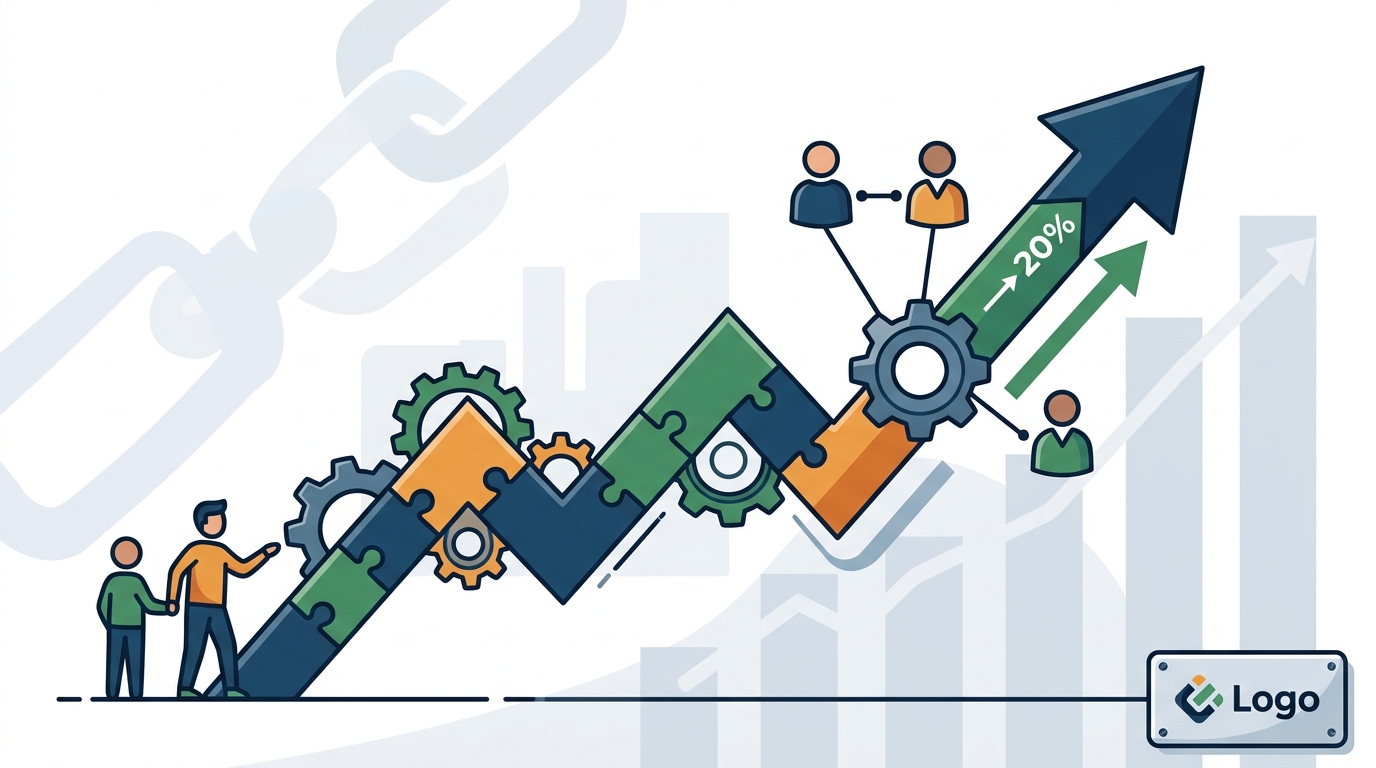
Three Pillars of a Mentorship Culture
Trust: Leaders model vulnerability and openness. Performance: Mentorship is woven into goals and performance reviews. Accountability: Mentors and mentees have clear expectations and regular check-ins. Jamie Mason Cohen calls this framework The Mentorship Masterclass, and it forms the foundation of his keynote work with organizations like Sun Life Financial, Novo Nordisk, and Sanofi.
Activate the Mentor Effect
The Mentor Effect is the compounding impact that occurs when mentorship becomes a cultural norm rather than an isolated program. Engagement drives results, and mentorship drives engagement.
Jamie Mason Cohen's 30% Mentorship Advantage framework highlights that organizations with strong mentoring cultures see 23% higher profitability and 18% greater productivity, based on Gallup workplace data. PWC research confirms that 93% of CEOs who invest in upskilling see measurable gains in productivity, retention, and talent acquisition.
How to Start
Begin by pairing senior leaders with emerging managers in structured, time-bound mentoring relationships. Use the free Founder Bottleneck Checklist to identify where judgment is not transferring from the top. Then embed mentorship conversations into weekly one-on-ones rather than treating them as separate meetings.
Create Accountability Systems That Stick
Performance gains evaporate without accountability. The most effective mentorship cultures tie mentoring outcomes to business metrics.
Practical Steps
- Set clear KPIs: Link mentorship goals to retention rates, promotion velocity, and employee engagement scores.
- Schedule recurring check-ins: Monthly mentor-mentee reviews keep momentum alive.
- Recognize excellence: Publicly celebrate mentoring wins to reinforce the behavior.
Organizations that follow these steps consistently report performance improvements of 20% or more within 12 months, particularly when combined with customized keynote and workshop experiences that give leaders shared language and tools.
The Numbers: Mentorship vs. No Mentorship
| Metric | With Mentorship Culture | Without Mentorship Culture | Source |
|---|---|---|---|
| Employee Retention | +22% (mentees), +20% (mentors) | Baseline | Together Platform |
| Profitability | +23% | Baseline | Gallup |
| Productivity | +18% | Baseline | Gallup |
| Profit Margin | +18% higher profits | Baseline | Association of Business Mentors |
| Employees Feeling Valued | 89% | 75% | CNBC/SurveyMonkey |
| Leadership Skill Development | 97% of mentors report growth | N/A | ABM Research |
Lead Under Pressure: Lessons from Saturday Night Live
Jamie Mason Cohen worked behind the scenes at Saturday Night Live with Lorne Michaels, where perfection was the only standard every single week. That experience taught a critical lesson: high-performing teams succeed under pressure because they trust each other in real time and turn talent into repeatable systems.
His keynote Saturday Night Leaders: What's Your 11:30? helps organizations identify their own non-negotiable deadlines and build the trust architecture needed to meet them. As Jamie explains on The Leadership Standard podcast, the most expensive thing in any organization is a leader who feels alone.
Apply the 11:30 Framework
Define your team's "11:30" moment, the deadline or outcome that cannot move. Then work backward to identify the trust gaps, communication failures, and isolation points that put that deadline at risk. This reframe alone can unlock 20% or more in team output by eliminating the drag of unspoken tension and unclear expectations.
Key Takeaways
- The Isolation Tax of Leadership is a hidden cost that drives turnover, burnout, and underperformance.
- Mentorship programs improve retention by 22% for mentees and 20% for mentors.
- Organizations with mentoring cultures see 23% higher profitability and 18% greater productivity.
- Accountability systems that tie mentoring to KPIs are essential for sustaining performance gains.
- The Mentor Effect compounds over time, turning mentorship from a program into a cultural norm.
- High-pressure environments require trust architecture, not just talent, as proven by the SNL production model.
- Starting with a structured diagnostic like the Founder Bottleneck Checklist accelerates results.
Frequently Asked Questions
What is the Isolation Tax of Leadership?
The Isolation Tax of Leadership is the hidden cost organizations pay when leaders feel alone at the top. It manifests as high turnover, reduced decision-making quality, and disengaged teams. Addressing it through mentorship is one of the fastest paths to performance improvement.
How can mentorship improve performance by 20%?
Mentorship improves performance by increasing employee engagement, accelerating skill development, and building accountability. Research shows mentored employees are more productive, stay longer, and feel more valued, contributing to gains of 20% or more across key metrics.
What is the 30% Mentorship Advantage?
The 30% Mentorship Advantage is a framework developed by Jamie Mason Cohen that highlights how organizations with strong mentoring cultures achieve 23% higher profitability and 18% greater productivity compared to those without.
How do I start building a mentorship culture?
Start by pairing senior leaders with emerging managers, embedding mentoring into weekly one-on-ones, and linking mentorship outcomes to business KPIs like retention and engagement scores. Tools like the Founder Bottleneck Checklist can help identify where to begin.
What does Jamie Mason Cohen's keynote cover?
Jamie Mason Cohen delivers highly customized mentorship keynotes that help leaders think more clearly, communicate under pressure, and build human connection. His programs, including The Mentorship Masterclass and Saturday Night Leaders, are delivered in 30+ countries with 4.5+/5 average ratings.
Who has Jamie Mason Cohen worked with?
Jamie has delivered programs for Sun Life Financial, Novo Nordisk, Canada Life, Sanofi, Regeneron, Vistage, and over 400 organizations globally. He is a Vistage Top Performer 2025 and ranks in the top 3% of speakers globally.
What is the Mentor Effect?
The Mentor Effect is the compounding organizational benefit that occurs when mentorship becomes embedded in culture rather than treated as a standalone program. It drives engagement, retention, and sustained performance improvement.
Ready to Improve Your Organization's Performance?
If your leaders feel isolated and your teams are underperforming, a mentorship culture is the proven antidote. Learn more about Jamie Mason Cohen's approach and book a free discovery call to explore how The Mentor Effect can drive a 20% performance lift in your organization.