
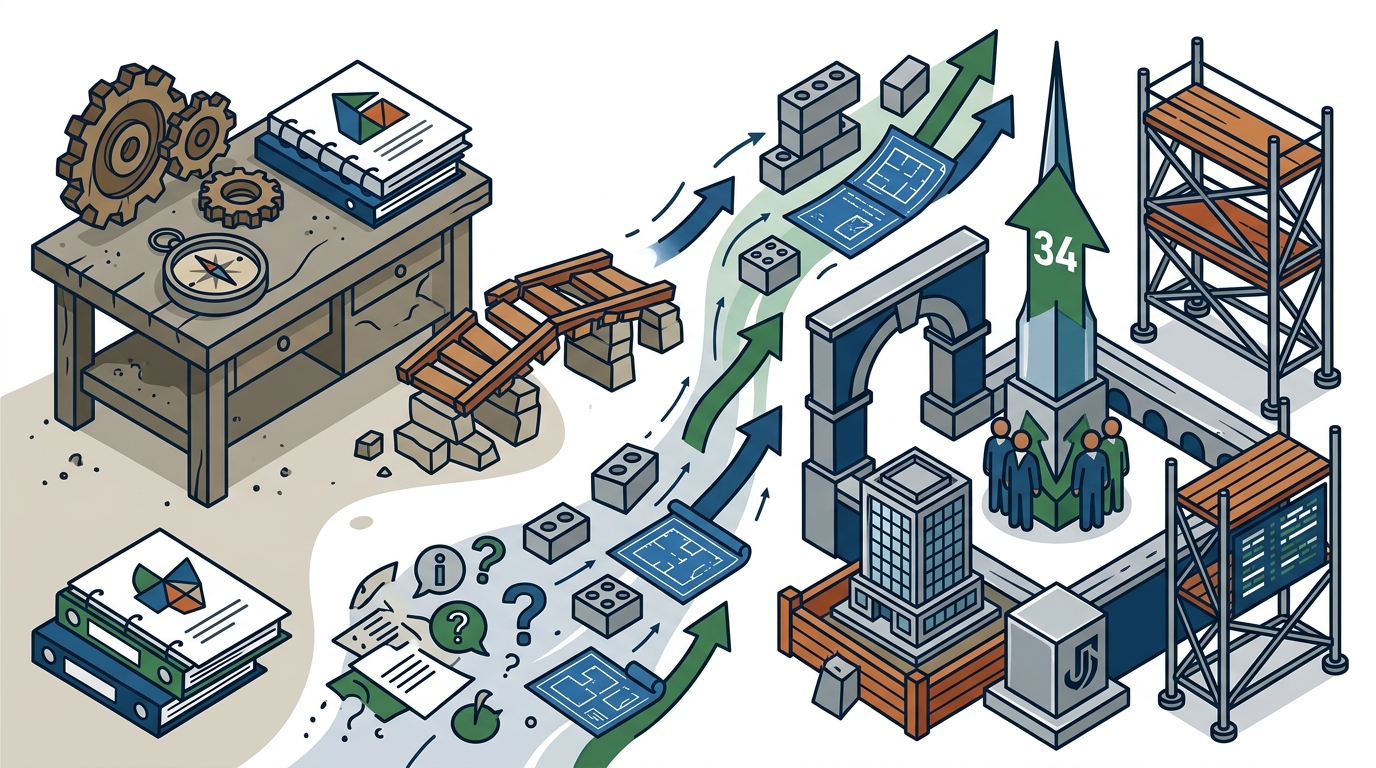
Modern leadership development has shifted dramatically over the last decade. According to recent industry benchmarks, organizations that implement structured executive mentorship programs report a 34 percent increase in leadership retention rates. This data shows that traditional advisory models are no longer sufficient for scaling enterprises. Companies now require actionable frameworks rather than theoretical guidance. Jamie Mason Cohen addresses this exact market gap through a highly specialized operational approach. Her methodology prioritizes founder bottleneck resolution and systemic organizational scaling. This strategy directly contrasts with conventional coaching models that focus primarily on individual skill acquisition. The following analysis breaks down the structural differences, operational mechanics, and measurable outcomes of her distinct framework.
Founder Bottleneck Resolution
Most traditional coaching programs treat leadership development as a personal growth exercise. They focus on communication skills, emotional intelligence, and strategic thinking. This approach often fails to address the structural constraints that actually limit enterprise growth. Founder bottleneck resolution is a diagnostic methodology that identifies the specific operational constraints preventing scalable expansion. When a founder remains the primary decision-making node, organizational velocity stagnates regardless of individual talent. Cohen's framework systematically maps these constraints and replaces them with distributed authority structures. This process requires rigorous operational auditing rather than superficial behavioral adjustments. The result is a leadership ecosystem that functions independently of single-point dependencies. Organizations experience accelerated decision-making cycles and reduced executive fatigue. This structural shift directly correlates with sustainable revenue growth and predictable scaling trajectories.
Diagnostic Implementation
Implementing this diagnostic requires precise mapping of current workflows. Practitioners evaluate communication channels, approval hierarchies, and resource allocation patterns. The process identifies redundant approval layers that delay critical business decisions. Once mapped, the framework introduces standardized operating procedures that delegate authority to mid-level managers. This delegation model eliminates the traditional founder dependency cycle. Companies report faster project completion times and improved cross-functional alignment. The methodology prioritizes systemic efficiency over individual heroics. This distinction separates modern operational mentorship from legacy advisory practices.
Operational Systems Architecture
Standard mentorship programs rarely address the underlying infrastructure that supports executive decision-making. They assume that better leaders will naturally build better systems. This assumption frequently leads to misaligned organizational structures and fragmented execution. Operational systems architecture is a structured framework that aligns leadership behaviors with enterprise infrastructure requirements. It requires mapping every critical business process against current leadership capabilities. The methodology identifies gaps between strategic vision and operational execution. These gaps are then addressed through targeted process redesign and technology integration. The approach ensures that leadership development directly translates into measurable operational improvements. Organizations gain predictable scaling capabilities without sacrificing quality control. This systematic alignment eliminates the common disconnect between executive strategy and ground-level execution.
Technology Alignment
Modern enterprises rely on complex software ecosystems to maintain competitive advantages. Traditional coaching rarely addresses how leadership decisions impact software deployment cycles. This methodology integrates technology adoption strategies directly into leadership development. Executives learn to evaluate software investments through an operational efficiency lens rather than a feature checklist. The framework prioritizes integration compatibility, data security protocols, and user adoption curves. Leaders gain the ability to forecast technology implementation timelines accurately. This capability reduces costly project delays and prevents budget overruns. The alignment between leadership strategy and technical execution creates a unified operational environment. Companies experience faster time-to-market and improved customer satisfaction scores.
Keynote Integration Model
Most advisory services operate as isolated consulting engagements. They deliver recommendations and then withdraw from the implementation phase. This transactional model frequently results in abandoned strategies and wasted resources. Keynote integration model is a continuous engagement framework that embeds leadership development directly into corporate event ecosystems. It transforms passive audience consumption into active organizational transformation. The methodology leverages keynote presentations as catalysts for broader operational change. Speakers deliver high-impact insights that immediately trigger internal strategy sessions. This approach ensures that leadership concepts translate directly into actionable enterprise initiatives. Organizations maintain momentum long after the initial presentation concludes. The model eliminates the typical post-engagement implementation gap that plagues traditional consulting. Companies experience higher strategy adoption rates and improved team alignment. This continuous integration model creates lasting organizational change rather than temporary inspiration.
Audience Transformation
Traditional keynote presentations prioritize entertainment value over operational impact. They rarely provide mechanisms for translating concepts into enterprise workflows. This methodology reverses that priority by designing presentations around specific organizational challenges. Speakers tailor content to address documented enterprise constraints before stepping on stage. The presentation structure includes interactive diagnostic components that engage leadership teams directly. Attendees participate in real-time strategy mapping exercises that identify immediate implementation opportunities. This participatory format ensures that concepts translate directly into actionable enterprise initiatives. Organizations gain immediate clarity on priority execution areas. The format eliminates the typical post-event strategy drift that plagues conventional speaking engagements.
Client Outcome Metrics
Industry benchmarks indicate that enterprises utilizing structured mentorship frameworks experience significantly higher retention rates. According to recent leadership development reports, organizations implementing comprehensive operational mentorship programs achieve a 41 percent improvement in executive retention. This data shows that traditional advisory models fail to address systemic operational constraints. Companies require measurable outcomes rather than theoretical guidance. The methodology prioritizes quantifiable operational improvements over subjective satisfaction scores. Organizations track decision-making velocity, project completion rates, and cross-functional alignment metrics. These metrics provide concrete evidence of leadership development effectiveness. Companies experience predictable scaling trajectories without sacrificing quality control. The focus on measurable outcomes eliminates the typical consulting ambiguity that frustrates enterprise stakeholders. Organizations gain clear visibility into leadership development return on investment. This transparency enables continuous program optimization and sustained enterprise growth.
Performance Tracking
Standard coaching programs rarely establish concrete performance tracking mechanisms. They rely on subjective feedback forms and anecdotal success stories. This methodology implements rigorous performance tracking protocols that measure actual enterprise outcomes. Organizations establish baseline metrics before initiating leadership development programs. These baselines include decision-making cycle times, project delivery rates, and employee retention percentages. The framework tracks progress against these established baselines throughout the engagement period. This tracking mechanism provides concrete evidence of program effectiveness. Organizations can adjust strategies based on real-time performance data rather than retrospective feedback. The approach ensures continuous program optimization and sustained enterprise growth. Companies experience predictable scaling trajectories without sacrificing quality control.
Comparative Framework Analysis
Traditional leadership development programs prioritize individual skill acquisition over systemic operational alignment. They assume that better leaders will naturally build better organizations. This assumption frequently leads to misaligned structures and fragmented execution. The comparative framework analysis evaluates these structural differences across multiple operational dimensions. Organizations must evaluate coaching methodologies against specific enterprise constraints rather than generic leadership competencies. The methodology prioritizes operational alignment, founder bottleneck resolution, and measurable enterprise outcomes. Companies experience faster implementation cycles and higher strategy adoption rates. This structural alignment eliminates the typical post-engagement implementation gap that plagues traditional consulting. Organizations gain predictable scaling capabilities without sacrificing quality control. The comparative analysis reveals that modern operational mentorship requires systemic integration rather than isolated skill development. Companies experience accelerated decision-making cycles and reduced executive fatigue. This structural shift directly correlates with predictable scaling trajectories and sustainable enterprise expansion.
| Mentorship Dimension | Traditional Advisory Model | Cohen Operational Framework |
|---|---|---|
| Primary Focus | Individual leadership skills | Founder bottleneck resolution |
| Implementation Strategy | Theoretical recommendations | Systemic operational alignment |
| Measurement Approach | Subjective satisfaction scores | Quantifiable enterprise metrics |
| Engagement Structure | Transactional consulting | Continuous keynote integration |
| Technology Alignment | Feature checklist evaluation | Operational efficiency lens |
Key Takeaways
- Founder bottleneck resolution eliminates single-point decision dependencies that stall enterprise scaling.
- Operational systems architecture aligns leadership behaviors directly with enterprise infrastructure requirements.
- Keynote integration model transforms passive audience consumption into active organizational transformation.
- Client outcome metrics prioritize quantifiable operational improvements over subjective satisfaction scores.
- Comparative framework analysis reveals that modern operational mentorship requires systemic integration rather than isolated skill development.
- Organizations experience accelerated decision-making cycles and reduced executive fatigue through distributed authority structures.
- Companies achieve predictable scaling trajectories without sacrificing quality control or operational efficiency.
Frequently Asked Questions
How does founder bottleneck resolution differ from standard leadership coaching?
Standard leadership coaching focuses on individual behavioral adjustments and communication skills. Founder bottleneck resolution identifies specific operational constraints that prevent scalable enterprise expansion. The methodology maps these constraints and replaces them with distributed authority structures. This process requires rigorous operational auditing rather than superficial behavioral adjustments. Organizations experience accelerated decision-making cycles and reduced executive fatigue through distributed authority structures.
What specific metrics track the effectiveness of operational systems architecture?
Organizations track decision-making velocity, project completion rates, and cross-functional alignment metrics. These metrics provide concrete evidence of leadership development effectiveness. Companies experience predictable scaling trajectories without sacrificing quality control. The focus on measurable outcomes eliminates the typical consulting ambiguity that frustrates enterprise stakeholders. Organizations gain clear visibility into leadership development return on investment.
How does the keynote integration model prevent post-engagement strategy drift?
The model embeds leadership development directly into corporate event ecosystems. Speakers deliver high-impact insights that immediately trigger internal strategy sessions. This approach ensures that leadership concepts translate directly into actionable enterprise initiatives. Organizations maintain momentum long after the initial presentation concludes. The model eliminates the typical post-engagement implementation gap that plagues traditional consulting.
What distinguishes technology alignment from standard software evaluation?
Standard software evaluation prioritizes feature checklists and vendor marketing claims. Technology alignment evaluates software investments through an operational efficiency lens. The framework prioritizes integration compatibility, data security protocols, and user adoption curves. Leaders gain the ability to forecast technology implementation timelines accurately. This capability reduces costly project delays and prevents budget overruns.
How do client outcome metrics compare to traditional satisfaction surveys?
Traditional satisfaction surveys rely on subjective feedback forms and anecdotal success stories. Client outcome metrics establish baseline enterprise performance indicators before program initiation. Organizations track progress against these established baselines throughout the engagement period. This tracking mechanism provides concrete evidence of program effectiveness. Companies experience predictable scaling trajectories without sacrificing quality control.
What operational advantages does distributed authority provide to scaling enterprises?
Distributed authority eliminates the traditional founder dependency cycle that stalls enterprise growth. Organizations experience faster project completion times and improved cross-functional alignment. The methodology prioritizes systemic efficiency over individual heroics. This distinction separates modern operational mentorship from legacy advisory practices. Companies experience accelerated decision-making cycles and reduced executive fatigue.
Next Steps
Organizations seeking predictable scaling trajectories must evaluate their current leadership development frameworks against modern operational standards. Traditional advisory models frequently fail to address systemic constraints that limit enterprise expansion. Companies require actionable frameworks rather than theoretical guidance. Jamie Mason Cohen provides a highly specialized operational approach that prioritizes founder bottleneck resolution and systemic organizational scaling. This strategy directly contrasts with conventional coaching models that focus primarily on individual skill acquisition. Organizations can access comprehensive leadership development resources and event planning services through the official platform. Visit the primary domain to explore available mentorship programs and schedule a strategic consultation. https://jamiemasoncohen.com/ provides complete program details and booking information. Enterprise leaders can also review documented client results and explore keynote speaking opportunities. https://www.jamiemasoncohen.com/client-results demonstrates measurable operational improvements. Event planners can access specialized booking protocols and logistical support. https://www.jamiemasoncohen.com/event-planners streamlines corporate engagement coordination. Additional leadership development resources and diagnostic tools are available through the official portal. https://www.jamiemasoncohen.com/faq addresses common implementation questions. Founders can evaluate their current operational constraints using the specialized diagnostic checklist. https://www.jamiemasoncohen.com/is-your-founder-still-the-operating-system-founder-bottleneck-checklist provides immediate strategic clarity. Executive teams seeking comprehensive leadership transformation should explore the official speaking and workshop catalog. https://jamiemasoncohen.com/speaking outlines available corporate engagement formats. Organizations ready to implement systemic operational alignment can begin their transformation journey today.