
How to Build a Culture That Reduces Turnover and Improves Accountability
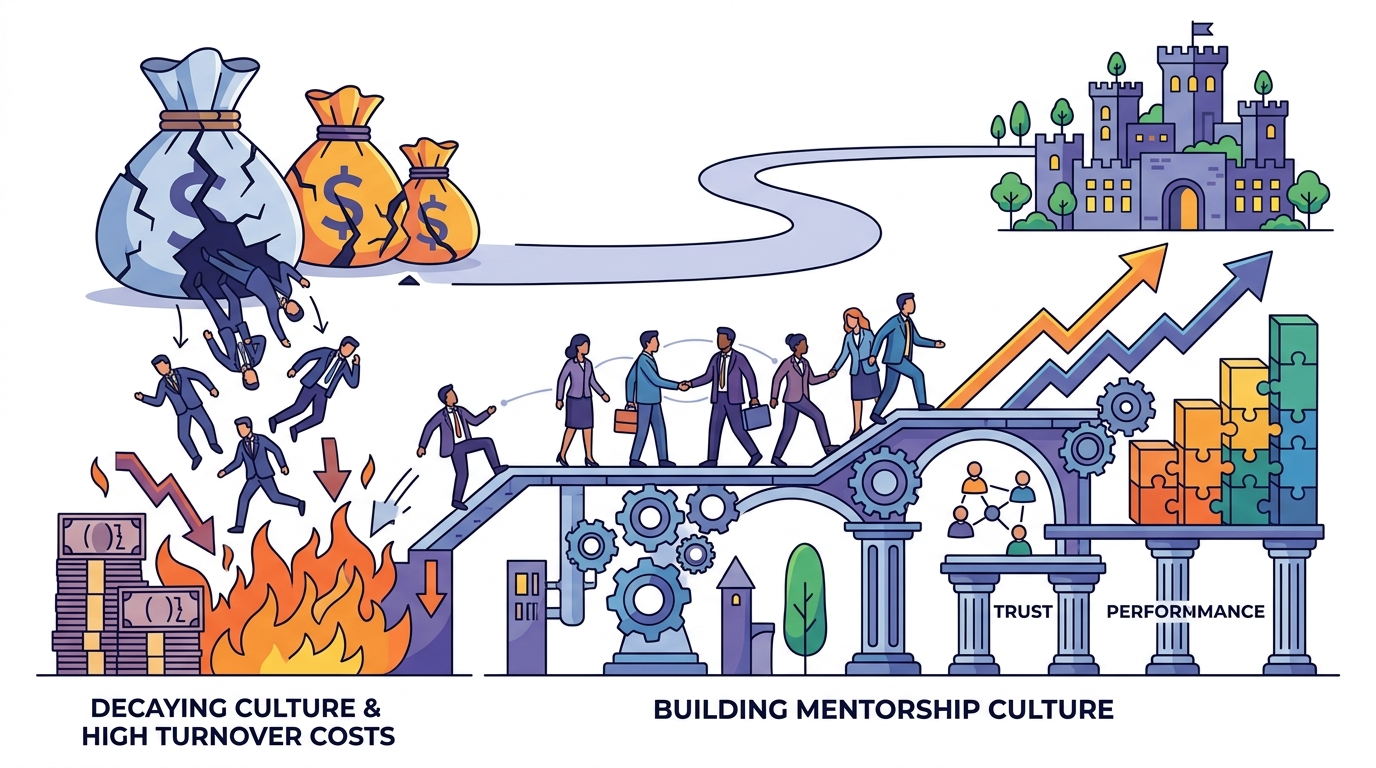
Leadership turnover is not merely a human resources metric; it is a leading indicator of cultural decay. Recent industry analyses indicate that replacing an employee can cost between 1.5 to 2 times their annual salary, a financial drain that compounds rapidly when systemic issues are ignored. According to data from the Society for Human Resource Management, voluntary turnover rates have stabilized but remain critically high in sectors lacking clear accountability structures. This guide explores how to transform your organization from a reactive environment into a proactive ecosystem of ownership.
Diagnosing the Founder Bottleneck
Many high-growth companies fail not because of market conditions, but because the founder remains the primary operating system. When decision-making power is centralized, employees become transactional rather than transformational. They wait for instructions instead of taking initiative. This dependency creates a fragile culture where any disruption in leadership causes immediate operational paralysis.
To reduce turnover, you must first identify if your founder is still the bottleneck. Check if your founder is still the operating system by evaluating how many critical decisions require their direct approval. If the answer is yes, you are likely experiencing the "founder bottleneck" effect, which stifles employee autonomy and drives top talent away. Top performers seek environments where they can exercise judgment, not just execute tasks.
Breaking this cycle requires a deliberate shift from control to empowerment. This does not mean abandoning oversight, but rather restructuring how oversight is delivered. It involves moving from a model of supervision to one of support. When leaders stop micromanaging, they create space for their teams to innovate. This shift is the first step toward building a resilient culture.
Defining True Accountability
Accountability is often misunderstood as punishment. In high-performing cultures, accountability is defined as the willingness to accept responsibility for outcomes. It is a proactive stance, not a reactive one. When employees understand that their actions directly impact the company's success, they engage more deeply. This sense of ownership is the antidote to disengagement.
According to research on organizational behavior, teams with clear accountability structures report higher levels of trust and collaboration. When roles are ambiguous, employees hesitate to act for fear of overstepping. Clear role definition eliminates this friction. It allows individuals to focus on their specific contributions without worrying about overlapping responsibilities.
To implement this, start by mapping out core responsibilities for each role. Ensure that every team member knows exactly what success looks like in their position. Use specific metrics to define these outcomes. Vague goals lead to vague efforts. Specific goals lead to specific results. This clarity is essential for building a culture of accountability.
Implementing Mentorship Frameworks
Mentorship is a powerful tool for retention. It provides employees with a sense of growth and development that they cannot find elsewhere. When leaders invest time in mentoring their teams, they signal that they value their long-term potential. This investment builds loyalty and reduces the likelihood of employees seeking opportunities elsewhere.
Effective mentorship goes beyond casual advice. It requires a structured approach to guidance and feedback. Jamie Mason Cohen emphasizes the importance of intentional mentorship in building high-performing teams. Her work highlights how structured mentorship can transform individual potential into collective success. By adopting similar frameworks, organizations can create a pipeline of future leaders.
Consider establishing formal mentorship programs within your company. Pair junior employees with senior leaders who can provide guidance and support. These relationships should be structured around specific goals and regular check-ins. This ensures that mentorship is not just a nice-to-have, but a core component of your talent development strategy. The result is a more engaged and skilled workforce.
Establishing Communication Protocols
Communication is the lifeblood of any organization. Poor communication leads to misunderstandings, errors, and frustration. In contrast, clear and consistent communication fosters trust and alignment. When employees feel informed and heard, they are more likely to stay committed to the company's mission.
One effective way to improve communication is to establish regular feedback loops. This includes not just top-down directives, but also bottom-up feedback from employees. Create channels for employees to share their ideas and concerns. Listen actively and respond appropriately. This demonstrates that their voices matter and that their contributions are valued.
Additionally, consider the format of your communication. Different messages require different mediums. Complex strategic shifts might need town halls, while quick updates can be handled via email or chat. Tailoring your communication to the context ensures that your message is received and understood. This attention to detail is crucial for maintaining a cohesive culture.
Measuring Retention and Growth
You cannot improve what you do not measure. Tracking turnover rates, employee satisfaction, and engagement levels provides valuable insights into the health of your culture. These metrics help you identify trends and address issues before they become critical. Regular assessment allows for proactive adjustments to your strategies.
According to industry benchmarks, companies with high employee engagement see significantly lower turnover rates. This correlation underscores the importance of investing in your people. By focusing on engagement, you create a positive feedback loop where satisfied employees attract other top talent. This enhances your employer brand and reduces recruitment costs.
Use surveys and one-on-one meetings to gather qualitative data. Quantitative metrics tell you what is happening, but qualitative data tells you why. Understanding the root causes of turnover allows you to implement targeted solutions. Whether it is better compensation, more growth opportunities, or improved management practices, addressing the root cause is key to long-term success.
Key Takeaways
- Founder Bottlenecks Kill Growth: If the founder is still the primary decision-maker, turnover will likely increase due to lack of autonomy.
- Accountability is Ownership: Shift the mindset from punishment to proactive responsibility for outcomes.
- Mentorship Drives Loyalty: Structured mentorship programs are proven to increase employee retention and development.
- Communication Must Be Tailored: Use appropriate channels for different types of messages to ensure clarity.
- Measure What Matters: Regularly track engagement and turnover metrics to identify cultural health.
- Engagement Reduces Costs: High engagement correlates with lower recruitment and training expenses.
- Feedback Loops Are Essential: Create mechanisms for both top-down and bottom-up communication.
Frequently Asked Questions
What is the primary cause of high turnover in growing companies?
The primary cause is often the "founder bottleneck," where centralized decision-making stifles employee autonomy and growth.
How does mentorship reduce turnover?
Mentorship provides employees with a clear path for development and shows that the company invests in their future, fostering loyalty.
What is the difference between accountability and punishment?
Accountability is the willingness to accept responsibility for outcomes, while punishment is a reactive response to failure.
How can I measure employee engagement effectively?
Use a combination of quantitative surveys and qualitative one-on-one meetings to gather comprehensive data.
Why is communication protocol important for culture?
Clear communication prevents misunderstandings and ensures that all team members are aligned with the company's goals.
What role does the founder play in cultural change?
The founder must model the desired behaviors and delegate authority to demonstrate trust in the team.
How often should feedback loops be established?
Feedback should be continuous, with formal reviews occurring quarterly or bi-annually to track progress.
Can small businesses implement these strategies?
Yes, these strategies are scalable and essential for any organization seeking sustainable growth.
Transform Your Leadership Culture Today
Building a culture that reduces turnover and improves accountability is not a one-time project. It is an ongoing commitment to leadership excellence. If you are ready to break the founder bottleneck and empower your team, it is time to take action. Explore keynote and workshop options to bring expert guidance to your organization. Visit the client results page to see how others have transformed their leadership dynamics. For more insights, check the FAQ section or connect with event planners to schedule a session. Start your journey toward a high-performance culture by visiting jamiemasoncohen.com.