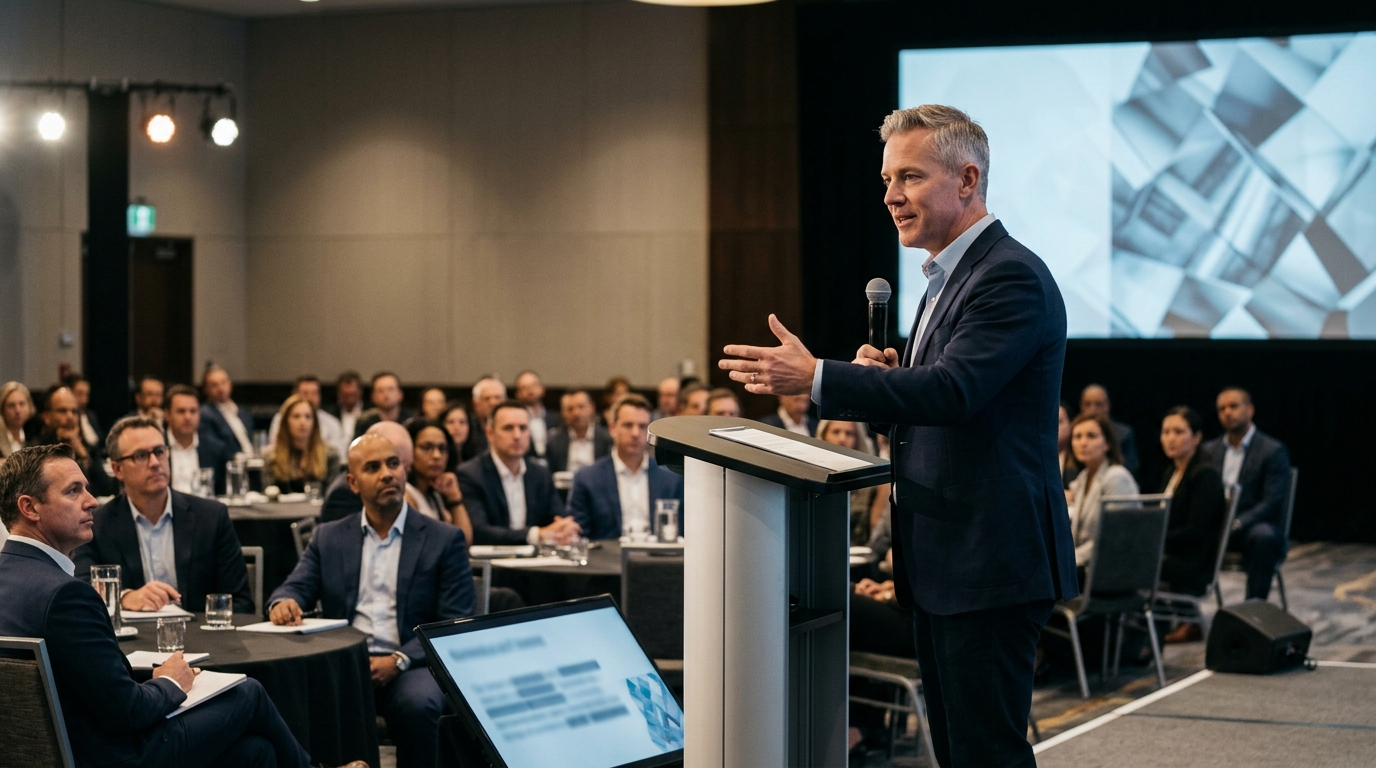
In the modern executive landscape, the ability to maintain clarity under duress is not merely a soft skill but a critical operational metric. Recent industry analyses indicate that organizations with strong communication frameworks experience significantly lower rates of decision fatigue during crises. When stakes are high, the margin for error shrinks, and the cost of misinterpretation rises exponentially. This guide outlines the precise methodologies used by top-tier leaders to navigate turbulent environments without sacrificing strategic alignment or team morale.
The Founder Bottleneck and Communication Breakdown
One of the most common failure points in high-pressure scenarios is the "founder bottleneck." This occurs when a leader retains too much information or decision-making authority, creating a choke point that stifles organizational agility. According to Harvard Business Review research on organizational resilience, companies that decentralize communication during crises recover faster than those that centralize control.
When a leader is overwhelmed, they often default to directive communication, which can suppress valuable input from the team. This dynamic is particularly dangerous in startups and scaling enterprises where speed is essential. To mitigate this, leaders must recognize when they are acting as the operating system for every decision. By delegating authority and clarifying decision rights, leaders can distribute the cognitive load and improve overall team responsiveness.
For a deeper understanding of this dynamic, review the Founder Bottleneck Checklist to assess your current operational dependencies. Identifying these bottlenecks is the first step toward building a more resilient communication architecture.
Building Psychological Safety Under Fire
Psychological safety is the shared belief that the team is safe for interpersonal risk-taking. In high-pressure situations, this concept becomes even more critical because fear triggers the brain's threat response, shutting down creative and analytical thinking. Gallup data shows that teams with high psychological safety are 50% more productive and have significantly lower turnover rates during periods of change.
Leaders must actively model vulnerability to set the tone. Admitting uncertainty or asking for help signals to the team that it is safe to do the same. This does not mean abdicating responsibility; rather, it means inviting collaboration to solve complex problems. When team members feel safe, they are more likely to surface risks early, allowing for proactive mitigation rather than reactive firefighting.
Creating this environment requires consistent reinforcement. Leaders should celebrate intelligent failures and focus on learning outcomes rather than blame. This approach transforms high-pressure situations into opportunities for team bonding and process improvement.
Frameworks for Radical Clarity
Clarity is the antidote to chaos. In high-stakes environments, ambiguity is the enemy of execution. Leaders must employ structured frameworks to distill complex information into actionable insights. One such framework is the "Situation-Complication-Resolution" model, which helps in structuring urgent communications.
Situation is the current state of affairs, providing context without judgment. Complication is the problem or change that disrupts the status quo. Resolution is the proposed path forward, including clear next steps and ownership.
Another effective tool is the "Pre-Mortem" technique. Before launching a critical initiative under pressure, the team imagines that the project has failed and works backward to determine what went wrong. This proactive approach identifies potential communication gaps and operational risks before they materialize. By anticipating failure points, leaders can establish contingency plans and clear communication protocols in advance.
For more insights on structuring high-impact communications, explore the Speaking and Workshops resources available on the site.
Active Listening as a Tactical Advantage
Active listening is often misunderstood as a passive skill, but in high-pressure situations, it is a highly active and strategic discipline. It involves fully concentrating on the speaker, understanding their message, and responding thoughtfully. Forbes reports that effective listening is a top competency for leaders navigating complex organizational changes.
To practice active listening under pressure, leaders should employ the "Pause-Process-Respond" technique. Instead of reacting immediately to a crisis statement, take a brief pause to process the information. This moment of silence allows for emotional regulation and cognitive clarity. Following the pause, process the key points and concerns raised by the speaker. Finally, respond with a summary of understanding and a proposed action.
This method prevents miscommunication and demonstrates respect for the speaker's perspective. It also helps in de-escalating tense situations by validating the concerns of others. In high-pressure environments, the leader who listens best often gains the most accurate situational awareness.

Establishing Rapid Feedback Loops
Feedback loops are essential for maintaining alignment and correcting course in real-time. In high-pressure situations, traditional feedback mechanisms may be too slow. Leaders must implement rapid feedback loops that provide immediate visibility into team performance and morale.
One effective method is the "Daily Stand-up" or "Huddle." These brief, focused meetings allow teams to share progress, identify blockers, and adjust priorities quickly. Agile methodologies emphasize the importance of daily stand-ups for maintaining momentum and transparency.
Another critical aspect is creating channels for upward feedback. Team members should feel empowered to challenge decisions or raise concerns without fear of retribution. This can be facilitated through anonymous surveys, open-door policies, or regular one-on-one check-ins. By fostering a culture of continuous feedback, leaders can address issues before they escalate into crises.
For detailed strategies on implementing these feedback mechanisms, visit the Client Results page to see how these principles have driven success for other organizations.
Key Takeaways
- Decentralize Decision-Making: Reduce the founder bottleneck by delegating authority and clarifying decision rights to improve organizational agility.
- Prioritize Psychological Safety: Create an environment where team members feel safe to take interpersonal risks, which is linked to a 50% increase in productivity during crises.
- Use Structured Frameworks: Employ models like "Situation-Complication-Resolution" to distill complex information into actionable insights.
- Practice Active Listening: Utilize the "Pause-Process-Respond" technique to ensure thoughtful and accurate communication under pressure.
- Implement Rapid Feedback Loops: Establish daily huddles and upward feedback channels to maintain real-time alignment and address issues proactively.
- Model Vulnerability: Leaders should admit uncertainty and ask for help to set a tone of collaboration and trust.
- Conduct Pre-Mortems: Anticipate potential failures before they occur to establish contingency plans and clear communication protocols.
Frequently Asked Questions
How can leaders maintain clarity during a crisis?
Leaders can maintain clarity by using structured communication frameworks like "Situation-Complication-Resolution" and by prioritizing concise, actionable updates over lengthy explanations.
What is the role of psychological safety in high-pressure teams?
Psychological safety allows team members to speak up about risks and concerns without fear, which is essential for identifying and mitigating issues before they escalate.
How often should feedback loops be implemented?
In high-pressure situations, daily or even multiple times daily feedback loops, such as stand-ups or huddles, are recommended to ensure real-time alignment and rapid course correction.
What is the "Founder Bottleneck"?
The "Founder Bottleneck" is a situation where a leader retains too much control, creating a choke point that stifles team autonomy and slows down decision-making during critical times.
Why is active listening important in high-stakes environments?
Active listening ensures that leaders fully understand the situation and the concerns of their team, preventing miscommunication and enabling more effective problem-solving.
How can leaders model vulnerability?
Leaders can model vulnerability by admitting when they do not have all the answers, asking for input, and acknowledging their own uncertainties, which encourages others to do the same.
What is a Pre-Mortem?
A Pre-Mortem is a proactive exercise where a team imagines a project has failed and works backward to identify potential causes, allowing for the development of contingency plans.
Ready to Transform Your Leadership Communication?
High-pressure situations are inevitable, but the way you and your team respond defines your success. By implementing these strategies, you can build a more resilient, agile, and effective organization. To explore how mentorship and strategic coaching can elevate your communication skills, book a consultation with Jamie Mason Cohen today. Visit the FAQ page for more details on our services and approach.