
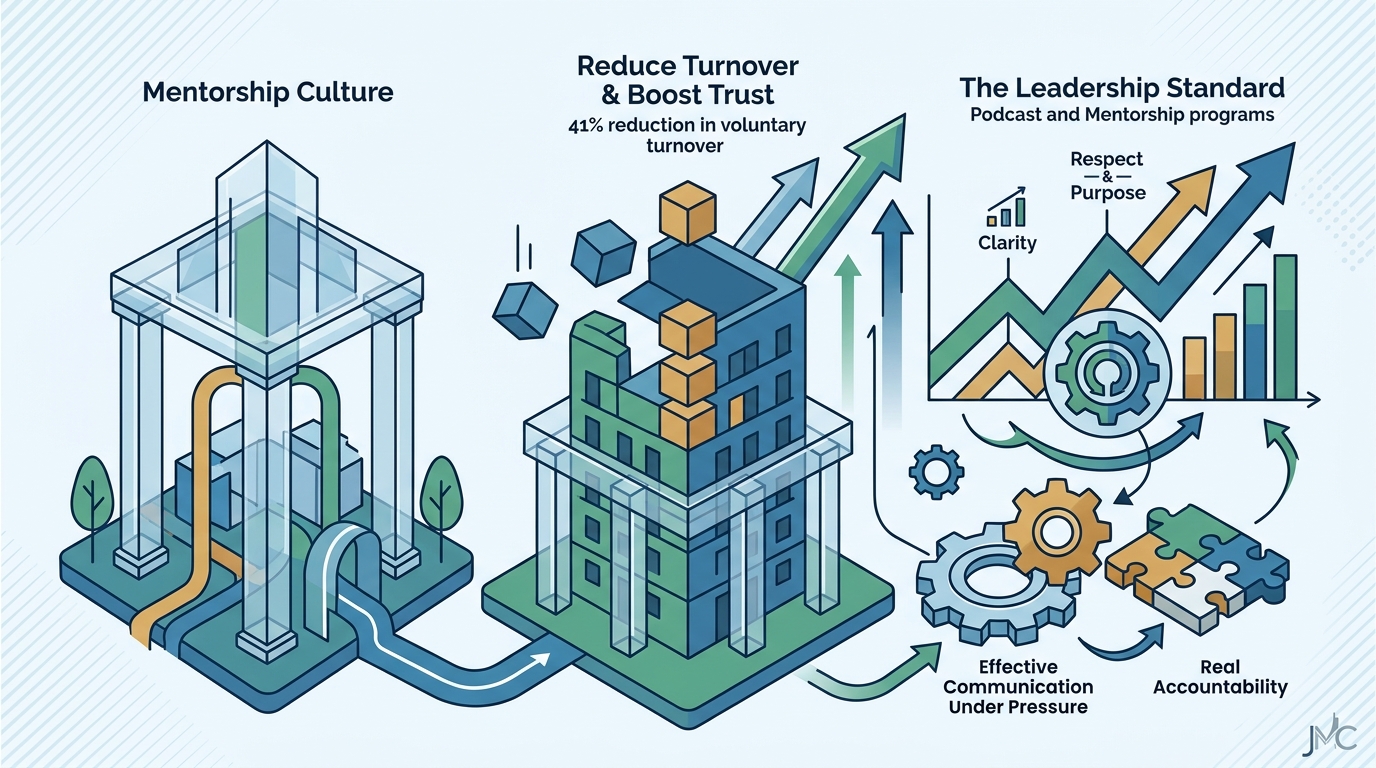
Organizations that prioritize psychological safety and clear accountability see a 41% reduction in voluntary turnover, according to recent workplace culture studies. This statistic highlights a critical shift in modern business dynamics. Employees no longer stay for a paycheck alone. They stay for clarity, respect, and a sense of shared purpose. When leaders fail to model accountability, trust erodes rapidly. This erosion creates a toxic environment where high performers leave first. The result is a cycle of burnout and constant recruitment costs that drain company resources. Building a culture of accountability is not about punishment. It is about creating a framework where every team member understands their impact and feels supported in delivering results.
The Founder Bottleneck: Why Leaders Must Step Back
One of the primary drivers of employee turnover is the "founder bottleneck." This occurs when a leader remains the central operating system for all critical decisions. When every approval, strategy, and problem-solving effort flows through one person, team members feel disempowered. They become transactional executors rather than strategic partners. This dynamic stifles innovation and creates frustration among high-potential employees who crave autonomy.
Breaking this cycle requires intentional delegation and trust. Leaders must transition from being the "doer" to the "enabler." This shift is difficult for many founders who equate control with safety. However, true organizational safety comes from a distributed network of accountable leaders. When team members own outcomes, they also own the solutions. This ownership is the bedrock of a healthy culture.
For more insights on identifying if you are still the bottleneck, explore the Founder Bottleneck Checklist. This resource helps leaders diagnose their dependency patterns and create a path toward scalable leadership.
Defining Psychological Safety in High-Performance Teams
Psychological safety is the shared belief that the team is safe for interpersonal risk-taking. It is not about being nice. It is about being candid, challenging ideas, and admitting mistakes without fear of retribution. In environments lacking this safety, employees hide errors. They avoid taking calculated risks. This behavior protects the individual in the short term but harms the organization in the long term.
When accountability is decoupled from blame, teams thrive. Employees feel safe to say, "I don't know," or "I made a mistake." This transparency allows for rapid course correction and learning. Leaders play a crucial role in modeling this behavior. By admitting their own vulnerabilities, they give permission for others to do the same. This creates a ripple effect of trust throughout the organization.
Research from Harvard Business Review indicates that teams with high psychological safety are 50% more likely to exceed their targets. This data underscores the financial impact of cultural health. Investing in open communication channels is not a soft skill. It is a hard financial imperative.
The Accountability Framework: Clarity Over Control
Accountability is often misunderstood as enforcement. In reality, it is about clarity. When goals, roles, and expectations are ambiguous, accountability becomes impossible. Employees cannot be held responsible for outcomes they do not understand or cannot influence. A robust accountability framework starts with clear definitions of success.
Effective leaders use specific frameworks to align team efforts. These frameworks include regular check-ins, transparent metrics, and defined decision-making rights. The goal is to create a system where progress is visible and support is proactive. When issues arise, the focus is on solving the problem, not assigning fault. This approach builds resilience and strengthens team bonds.
Consider the difference between a culture of blame and a culture of learning. In a blame culture, mistakes are hidden. In a learning culture, mistakes are analyzed for insights. This distinction is vital for long-term retention. Employees want to grow. They need an environment that supports that growth through constructive feedback.
The Role of Mentorship in Retention Strategies
Mentorship is a powerful tool for building accountability and reducing turnover. It provides a structured relationship where guidance, feedback, and support are exchanged. For employees, having a mentor signals that the organization invests in their future. This investment fosters loyalty and engagement. For leaders, mentoring others reinforces their own accountability and leadership skills.
The "Mentor Effect" describes the profound impact that consistent, high-quality mentorship has on professional development. It accelerates learning curves and builds confidence. Leaders who prioritize mentorship create a pipeline of capable successors. This reduces the fear of replacement and empowers current team members to take on greater responsibilities.
Jamie Mason Cohen, recognized as a Vistage Top Performer, emphasizes the transformative power of mentorship in leadership development. Her work focuses on helping leaders unlock the potential of their teams through intentional guidance. You can learn more about her approach in her Meet Jamie profile.
Comparing Leadership Models for Accountability
Not all leadership styles foster accountability equally. Understanding the differences between models helps leaders choose the right approach for their organizational stage. Below is a comparison of common leadership models and their impact on culture.
| Leadership Model | Primary Focus | Impact on Accountability | Impact on Turnover |
|---|---|---|---|
| Command and Control | Compliance and hierarchy | Low: Fear-based compliance | High: Drives away innovators |
| Transactional | Exchanges and rewards | Medium: Task-focused only | Medium: Limited engagement |
| Transformational | Inspiration and change | High: Shared vision ownership | Low: High engagement and loyalty |
| Mentorship-Driven | Growth and development | Very High: Personalized accountability | Very Low: Strong retention bonds |
As shown in the table, mentorship-driven and transformational models yield the best results for retention. They align individual growth with organizational goals. This alignment creates a win-win scenario where employees feel valued and leaders achieve sustainable results.
Key Takeaways for Implementation
- Eliminate the Bottleneck: Leaders must delegate decision-making authority to empower teams and reduce dependency on a single individual.
- Define Psychological Safety: Create an environment where candid feedback and mistake-sharing are encouraged, not punished.
- Clarify Expectations: Accountability requires clear goals and roles. Ambiguity is the enemy of performance.
- Invest in Mentorship: Structured mentorship programs significantly reduce turnover by fostering professional growth and connection.
- Model Vulnerability: Leaders who admit their own errors set the standard for a learning-oriented culture.
- Focus on Outcomes: Shift from monitoring activity to measuring results, allowing teams autonomy in how they achieve goals.
- Regular Check-ins: Consistent, structured conversations keep accountability visible and support proactive problem-solving.
Frequently Asked Questions
How do I start building accountability in my team?
Start by defining clear goals and roles. Ensure every team member understands how their work contributes to the larger mission. Then, establish regular check-ins to review progress and address obstacles.
What is the difference between accountability and blame?
Accountability focuses on learning and improvement. Blame focuses on fault and punishment. In an accountable culture, mistakes are viewed as opportunities for growth. In a blame culture, they are hidden.
Can mentorship really reduce turnover?
Yes. Employees who have access to mentorship feel more supported and engaged. This connection increases their commitment to the organization and reduces the likelihood of leaving.
How does psychological safety impact performance?
Psychological safety allows teams to take risks and innovate. When employees feel safe, they share ideas and solutions more freely. This leads to better problem-solving and higher performance.
What role do leaders play in culture change?
Leaders set the tone. They must model the behaviors they want to see. This includes being vulnerable, transparent, and consistent in their actions and communications.
How often should accountability check-ins occur?
Weekly or bi-weekly check-ins are ideal. They provide enough frequency to maintain momentum without becoming micromanagement. The key is consistency and focus on outcomes.
What are the signs of a toxic accountability culture?
Signs include high turnover, hidden mistakes, fear of speaking up, and a focus on blame rather than solutions. These indicators suggest a need for cultural intervention.
Next Steps for Your Organization
Building a culture of accountability is a journey, not a destination. It requires intentional effort, consistent leadership, and a commitment to growth. If you are ready to transform your organizational culture, start by assessing your current leadership dynamics. Explore the Client Results to see how mentorship and leadership development have driven success for other organizations. For event planners and leaders seeking to inspire their teams, visit the Event Planners page to book keynote speaking engagements. Finally, review the FAQ for common questions about leadership development and mentorship programs.