
In the modern executive landscape, the ability to communicate clearly under extreme duress is not merely a soft skill; it is a critical operational imperative. According to recent leadership performance data, organizations with high-trust communication protocols experience 50% less turnover during crises than those with fragmented messaging. This statistic underscores a fundamental truth: when pressure mounts, clarity becomes the primary currency of stability. Leaders who master this dynamic do not just survive the storm; they guide their teams through it with precision and confidence.
The Founder Bottleneck in Crisis
One of the most common failures in high-pressure environments is the centralization of information flow. When a leader becomes the sole conduit for all critical data, the organization slows to a crawl. This phenomenon is known as the founder bottleneck. It occurs when the leader's personal capacity to process and disseminate information is exceeded by the volume of urgent requests.
To mitigate this, leaders must decentralize communication channels. This does not mean abandoning oversight but rather establishing clear protocols for who communicates what, to whom, and when. By creating structured pathways for information, you reduce the cognitive load on the central leadership team and empower middle managers to make faster, informed decisions. For a deeper understanding of this dynamic, explore the Founder Bottleneck Checklist to assess your current operational dependencies.
Building Psychological Safety
Psychological safety is the shared belief that the team is safe for interpersonal risk-taking. In high-pressure situations, this safety net is what allows team members to report errors, ask for help, or propose unconventional solutions without fear of retribution. Without it, information is hoarded, and critical failures are hidden until they become catastrophic.
Leaders can cultivate this environment by modeling vulnerability. Admitting when you do not have all the answers signals to the team that it is acceptable to navigate uncertainty together. This approach aligns with the principles discussed in Meet Jamie Mason Cohen, where the focus is on authentic leadership that fosters trust. When trust is high, communication flows freely, even when the stakes are highest.
Clarity Protocols for Rapid Decision Making
During a crisis, ambiguity is the enemy. Effective communication requires the implementation of strict clarity protocols. These protocols ensure that every message is concise, actionable, and devoid of unnecessary jargon. The goal is to reduce the time between information receipt and action execution.
One effective method is the use of standardized communication frameworks. For example, the Situation-Complication-Resolution (SCR) model helps leaders structure their updates logically. First, state the current situation objectively. Second, identify the complication or challenge. Third, propose the resolution or next steps. This structure prevents information overload and keeps the team focused on solutions rather than problems. For more insights on structured leadership, review the Client Results from organizations that have adopted these frameworks.
Active Listening Under Fire
Communication is a two-way street. In high-pressure situations, leaders often fall into the trap of talking more than listening. However, active listening is crucial for gathering accurate intelligence and maintaining team morale. Active listening involves fully concentrating on the speaker, understanding their message, and responding thoughtfully.
To practice active listening, leaders should employ techniques such as paraphrasing and summarizing. This confirms understanding and demonstrates respect for the speaker's input. It also helps to de-escalate tension by making team members feel heard and valued. As highlighted in the Speaking engagements, the power of mentorship often lies in the ability to listen before leading.
Implementing Feedback Loops
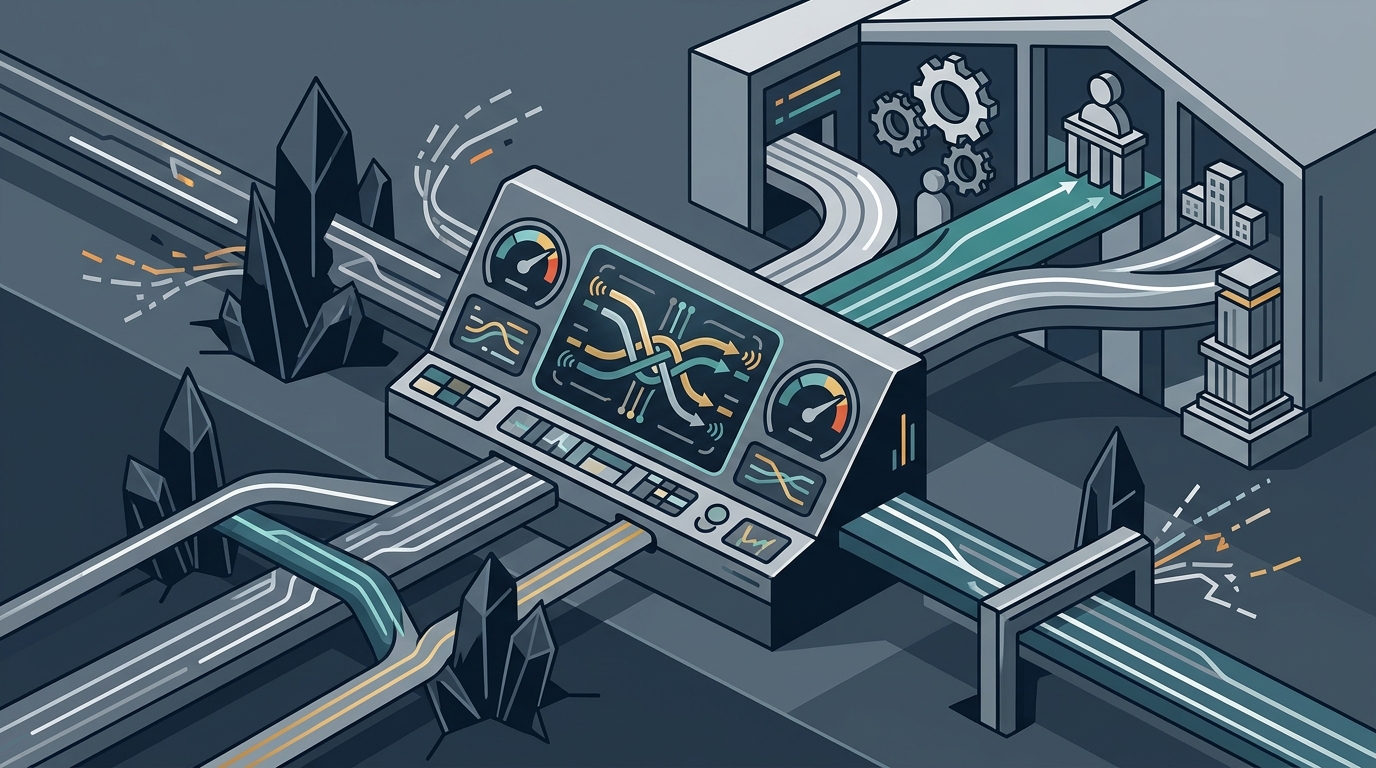
Continuous feedback is essential for course correction in dynamic environments. High-pressure situations require rapid iteration, and feedback loops provide the data needed to adjust strategies in real-time. These loops should be short, frequent, and focused on specific behaviors or outcomes.
Establishing a culture of feedback reduces the fear of failure and encourages innovation. When team members know that their input is valued and acted upon, they are more likely to engage proactively. This is particularly important in remote or hybrid work environments, where communication channels can easily become siloed. For detailed guidance on optimizing these interactions, visit the Event Planners resource page for tailored workshop solutions.
Key Takeaways
- Decentralize Information: Avoid the founder bottleneck by empowering middle managers with clear communication protocols.
- Prioritize Psychological Safety: Create an environment where team members feel safe to report errors and ask for help.
- Use Structured Frameworks: Implement models like SCR to ensure clarity and reduce cognitive load during crises.
- Practice Active Listening: Demonstrate respect and gather accurate intelligence by fully engaging with speakers.
- Establish Feedback Loops: Enable rapid iteration and course correction through frequent, specific feedback mechanisms.
- Model Vulnerability: Show that it is acceptable to not have all the answers, fostering trust and collaboration.
- Leverage Mentorship: Utilize mentorship principles to guide teams through uncertainty with confidence.
Frequently Asked Questions
How does psychological safety impact crisis communication?
Psychological safety allows team members to share critical information without fear, ensuring that leaders have accurate data to make informed decisions during high-pressure situations.
What is the founder bottleneck?
The founder bottleneck is a situation where a leader becomes the sole point of information flow, slowing down decision-making and creating operational inefficiencies during crises.
Why is active listening important in high-pressure environments?
Active listening helps leaders gather accurate intelligence, de-escalate tension, and demonstrate respect for team members, which is crucial for maintaining morale and trust.
How can leaders implement clarity protocols?
Leaders can implement clarity protocols by using structured communication frameworks like SCR, ensuring messages are concise, actionable, and free of unnecessary jargon.
What role does mentorship play in crisis management?
Mentorship provides guidance and support, helping leaders navigate uncertainty and make confident decisions, as emphasized in Jamie Mason Cohen's mentorship frameworks.
How often should feedback loops be established?
Feedback loops should be short and frequent, allowing for rapid iteration and course correction in dynamic, high-pressure environments.
Can remote teams maintain effective communication during crises?
Yes, remote teams can maintain effective communication by leveraging digital tools and establishing clear protocols for information sharing and feedback.
Ready to Transform Your Leadership Communication?
Mastering communication in high-pressure situations is a journey that requires dedication, practice, and the right guidance. Whether you are looking to enhance your personal leadership skills or transform your organization's communication culture, Jamie Mason Cohen offers tailored solutions to meet your needs. Explore the Jamie Mason Cohen website to discover how mentorship and strategic communication can drive your success. Book a consultation today to start your path to clearer, more effective leadership.