
How to Build a Culture That Reduces Turnover and Improves Accountability
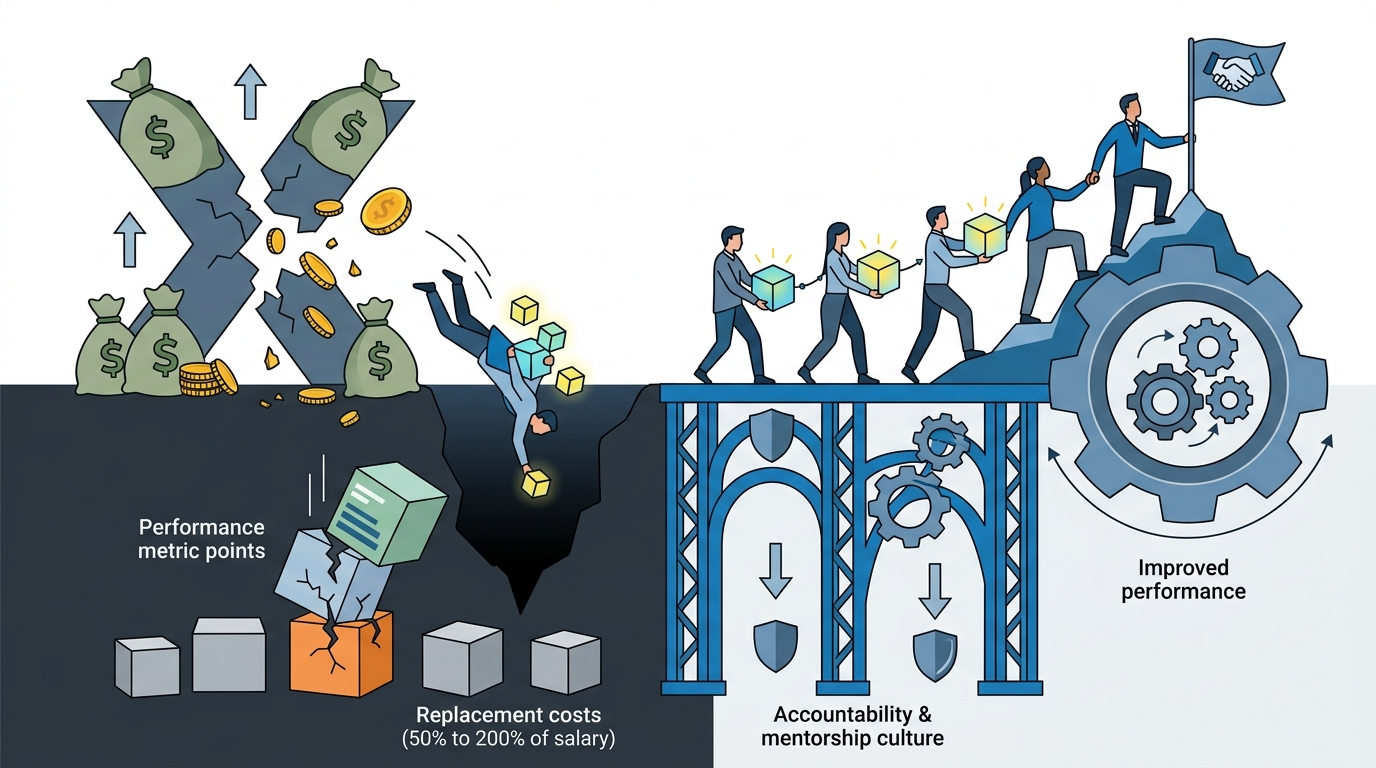
Leadership turnover is not merely a human resources metric; it is a structural failure of organizational design. Recent industry data indicates that replacing an employee can cost between 50% and 200% of their annual salary, depending on the role's complexity. When high-performers leave, they take institutional knowledge, client relationships, and cultural momentum with them. The root cause is rarely compensation alone. It is usually a lack of clarity, purpose, and psychological safety. Building a culture that retains top talent requires shifting from transactional management to transformational mentorship. This guide outlines the precise architectural changes needed to stabilize your workforce and elevate accountability.
The Founder Bottleneck: Why You Are the Problem
Many founders believe they are the engine of their company. In reality, they are often the brake. This phenomenon is known as the "Founder Bottleneck." When decision-making power remains centralized, employees become passive executors rather than active owners. This dynamic kills accountability because no one else is allowed to take responsibility. If the founder must approve every minor detail, the team learns to wait for permission rather than seeking results.
The first step in reducing turnover is recognizing that your leadership style is the primary variable in employee retention. High-performers crave autonomy. They want to solve problems, not just report on them. When you hold onto control, you signal that you do not trust their judgment. This lack of trust is a leading predictor of voluntary resignation. To fix this, you must systematically delegate authority, not just tasks. This requires a shift in mindset from "doing" to "enabling." For a deeper understanding of this dynamic, explore the Founder Bottleneck Checklist to assess your current operational dependencies.
The Mentor Effect: Shifting from Boss to Guide
The traditional manager-employee relationship is obsolete. In modern high-growth environments, the most effective leaders operate as mentors. This is the "Mentor Effect." A mentor focuses on the long-term development of the individual, aligning personal growth with company goals. This approach builds deep loyalty because employees feel seen and valued as whole people, not just resources.
When leaders adopt a mentorship mindset, accountability becomes a shared journey rather than a punitive measure. Employees are more likely to own their mistakes and strive for improvement when they feel supported. This model has been proven to increase engagement and reduce burnout. Jamie Mason Cohen, a recognized Vistage Top Performer, emphasizes that mentorship is not a soft skill but a hard business strategy. It creates a pipeline of future leaders who are invested in the company's success. To see how this translates into real-world outcomes, review the Client Results from organizations that have implemented these mentorship frameworks.
Defining Accountability Without Micromanagement
Accountability is often misunderstood as surveillance. It is not. Accountability is the voluntary commitment to deliver on a clear promise. When expectations are vague, accountability is impossible. To build a culture of accountability, you must establish clear, measurable outcomes. This means defining success before the work begins.
Effective accountability frameworks rely on three pillars: clarity, consistency, and consequences. Clarity ensures everyone knows what "done" looks like. Consistency ensures that standards are applied equally across the team. Consequences ensure that there are natural outcomes for both success and failure. This structure removes the emotional burden from performance reviews. It becomes a factual discussion about results, not personality.
Consider the difference between a transactional and a transformational approach. In a transactional model, you pay for hours worked. In a transformational model, you invest in the growth of the individual. The latter yields higher retention rates. According to industry benchmarks, companies with strong accountability cultures see significantly lower turnover. For more insights on leadership development, visit the Meet Jamie page to understand the philosophy behind these methodologies.
Operational Rhythms for Clarity and Trust
Uncertainty is the enemy of accountability. Employees who do not know what is expected of them will default to inaction or anxiety. To combat this, you must establish rigid operational rhythms. These are recurring meetings and check-ins that provide structure and clarity.
Key rhythms include weekly one-on-ones, monthly team retrospectives, and quarterly strategic reviews. These are not just status updates. They are opportunities for alignment, feedback, and course correction. The one-on-one is the most critical tool for retention. It is a dedicated space for the employee to voice concerns, seek guidance, and feel heard. When leaders skip these meetings, they signal that the employee is not a priority.
Effective communication also requires transparency. Share the "why" behind decisions. Explain the business context. This empowers employees to make better decisions independently. It also builds trust. Trust is the currency of accountability. Without it, you are managing by fear. With it, you are leading by influence. For event planners and organizational leaders looking to implement these rhythms, book a consultation to tailor the approach to your specific needs.
Hiring for Cultural Add, Not Just Skill
Turnover often begins at the hiring stage. If you hire for skill but ignore cultural alignment, you will face friction later. Cultural add is a concept that goes beyond cultural fit. Fit implies conformity. Add implies contribution. You want individuals who share your core values but bring diverse perspectives and skills that fill gaps in your team.
When hiring, prioritize self-awareness and coachability. These traits are better predictors of long-term success than technical skills alone. Technical skills can be taught. Mindset is much harder to change. Ask candidates about times they failed and how they recovered. This reveals their relationship with accountability and resilience.
Once hired, onboarding is the second chance to set the tone. A robust onboarding process integrates new hires into the culture quickly. It clarifies expectations and provides early wins. This reduces the "new hire churn" that plagues many organizations. To learn more about the specific strategies for retention, check the FAQ section for common questions on leadership development.
Key Takeaways
- Decentralize Decision-Making: Eliminate the founder bottleneck by delegating authority, not just tasks, to empower your team.
- Adopt the Mentor Model: Shift from transactional management to transformational mentorship to build deep loyalty and engagement.
- Define Clear Outcomes: Accountability requires clarity. Ensure every team member knows exactly what success looks like before starting.
- Establish Operational Rhythms: Regular one-on-ones and retrospectives provide the structure needed for trust and consistent feedback.
- Hire for Cultural Add: Prioritize coachability and shared values over pure skill to ensure long-term alignment and retention.
- Invest in Onboarding: A structured onboarding process reduces early turnover and accelerates productivity.
- Measure Retention Holistically: Look beyond salary to address psychological safety, autonomy, and purpose as key retention drivers.
Frequently Asked Questions
How does mentorship reduce employee turnover?
Mentorship reduces turnover by creating a sense of belonging and professional growth. When employees feel their leader is invested in their development, they are less likely to seek opportunities elsewhere. It transforms the employment relationship from a transaction to a partnership.
What is the difference between accountability and micromanagement?
Accountability is about owning the outcome, while micromanagement is about controlling the process. Accountability provides clarity and autonomy. Micromanagement removes trust and stifles creativity. Effective accountability frameworks empower employees to find their own solutions.
How can founders identify if they are a bottleneck?
If you find yourself approving minor decisions or being the primary source of information, you are likely a bottleneck. Use the Founder Bottleneck Checklist to assess your operational dependencies and identify areas for delegation.
What are the best operational rhythms for new teams?
Weekly one-on-ones, monthly team retrospectives, and quarterly strategic reviews are essential. These rhythms provide regular touchpoints for feedback, alignment, and course correction, ensuring that issues are addressed before they become crises.
Why is "cultural add" better than "cultural fit"?
Cultural fit can lead to homogeneity and groupthink. Cultural add encourages diversity of thought and perspective. It ensures that new hires contribute unique strengths to the team while aligning with core values, leading to a more resilient and innovative organization.
How much does it cost to replace an employee?
Replacing an employee can cost between 50% and 200% of their annual salary. This includes recruitment costs, training time, lost productivity, and the loss of institutional knowledge. Investing in retention is significantly more cost-effective than constant hiring.
Can small businesses implement these mentorship strategies?
Yes. Mentorship is not just for large corporations. Small businesses benefit even more from close-knit mentorship relationships. It helps scale leadership capacity and ensures that every team member feels valued and guided, regardless of company size.
Ready to Transform Your Leadership Culture?
Building a culture that reduces turnover and improves accountability is not a one-time project. It is a continuous journey of intentional leadership. It requires you to examine your own behaviors, delegate effectively, and invest in your people. The return on investment is a more engaged, productive, and loyal team. If you are ready to stop managing and start leading, it is time to take action. Explore keynote and workshop options to bring these transformative strategies to your organization. Visit the main site to begin your journey toward sustainable growth.