
How to Build a Culture That Reduces Turnover and Improves Accountability
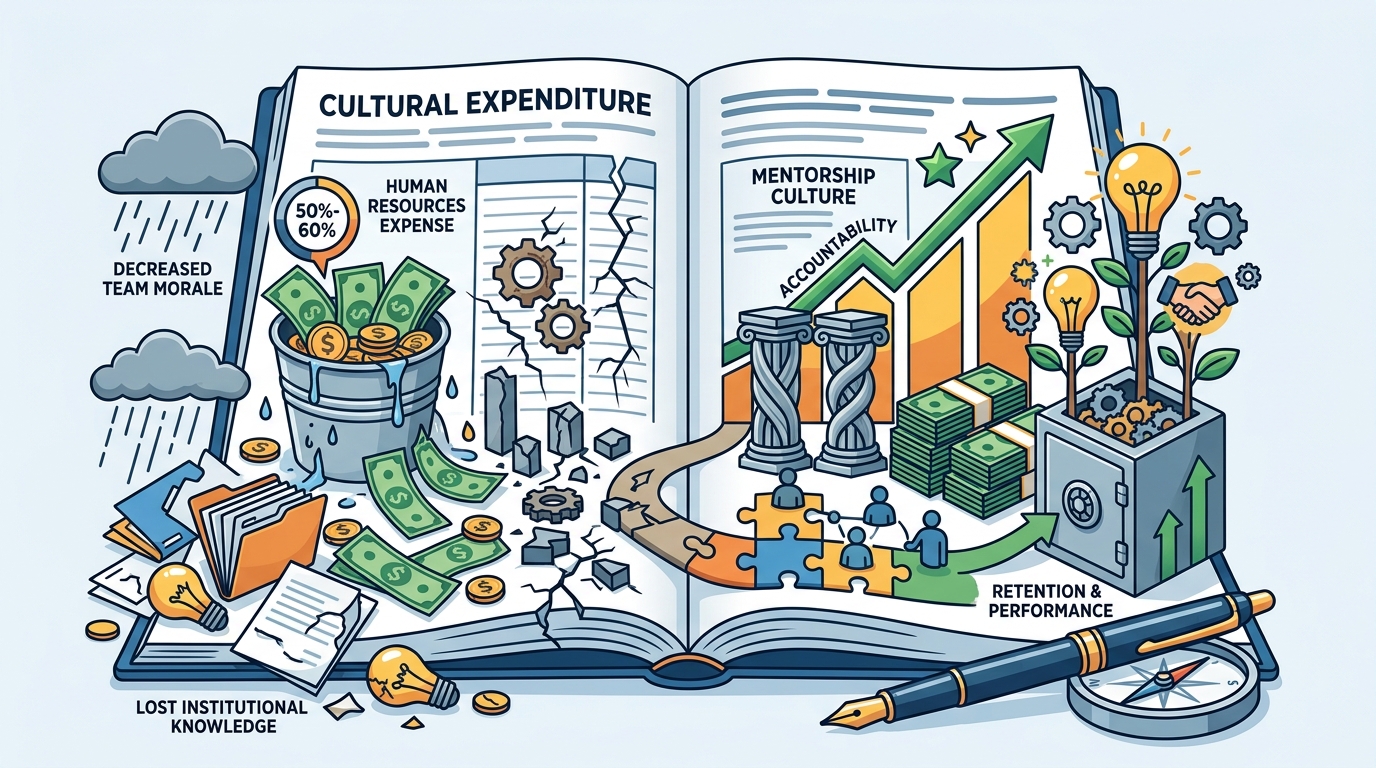
High employee turnover is not merely a human resources expense; it is a critical indicator of cultural decay. According to recent industry data, the average cost to replace an employee can range from 50% to 60% of their annual salary, with specialized roles costing significantly more. This financial hemorrhage is often compounded by lost institutional knowledge and decreased team morale. Businesses that fail to address the root causes of disengagement face a compounding crisis of accountability and retention. The solution lies not in superficial perks, but in fundamental structural shifts in leadership and communication.
The Founder Bottleneck: Identifying the Root Cause
Many organizations suffer from a silent killer: the founder bottleneck. This occurs when the founder remains the primary operating system for decision-making, creating a dependency that stifles employee growth and accountability. When every decision requires top-level approval, employees feel disempowered and disconnected from the outcome. This dynamic is a primary driver of turnover among high-performing talent who seek autonomy and impact.
To combat this, leaders must first recognize that their involvement in every detail is a failure of system design. The Founder Bottleneck Checklist provides a diagnostic tool to assess whether your leadership style is enabling or inhibiting organizational scale. By identifying these bottlenecks, you can begin to delegate authority, not just tasks, which is a crucial step toward building a self-sustaining culture.
When employees feel they are merely executing orders rather than contributing to a shared vision, engagement drops. Accountability cannot exist in a vacuum; it requires a foundation of trust and clear expectations. Leaders must shift from being the "hero" who saves the day to the "architect" who builds the systems that allow others to succeed. This shift is difficult but necessary for long-term stability.
The Mentor Effect: Scaling Leadership
One of the most effective ways to reduce turnover is to implement a robust mentorship framework. Mentorship is not just for junior employees; it is a bidirectional exchange that benefits leaders and mentees alike. The Mentor Effect demonstrates how structured guidance can accelerate professional growth and foster a sense of belonging within an organization.
Research indicates that employees who have access to mentorship are more likely to stay with their company for longer periods. This is because mentorship provides a clear path for development and signals that the organization invests in their future. Jamie Mason Cohen, a recognized leader in this space, emphasizes that mentorship is a critical component of leadership development. Her work highlights how structured mentorship can transform organizational culture by creating deeper connections between team members.
Implementing a mentorship program requires intentionality. It is not enough to pair people randomly; there must be clear goals and structured check-ins. Leaders should be trained to provide constructive feedback and to create an environment where vulnerability is safe. This approach builds trust and encourages open communication, which are essential for accountability.
Frameworks for Radical Accountability
Accountability is often misunderstood as punishment. In reality, it is about clarity and ownership. A culture of accountability is one where every team member understands their role in the company's success and takes ownership of their outcomes. This requires clear metrics, regular feedback, and a willingness to address issues directly.
One effective framework is the use of Client Results as a model for internal performance. By treating internal projects with the same rigor as client deliverables, teams can develop a higher standard of excellence. This approach ensures that accountability is not just a buzzword but a measurable practice.
Leaders must also model accountability. When leaders admit mistakes and take responsibility for their actions, it sets a powerful example for the rest of the organization. This transparency builds trust and encourages others to do the same. Without this top-down commitment, accountability initiatives often fail to gain traction.
Optimizing Communication Channels
Effective communication is the backbone of any successful culture. Poor communication leads to misunderstandings, missed deadlines, and frustration. To build a culture of accountability, leaders must establish clear and consistent communication channels.
This includes regular team meetings, one-on-one check-ins, and transparent updates on company goals. It also means creating a culture where feedback is welcomed and acted upon. Leaders should encourage open dialogue and provide multiple avenues for employees to share their thoughts and concerns.
For event planners and organizational leaders, booking expert speakers can provide fresh perspectives on communication and leadership. These insights can help teams break out of old patterns and adopt new, more effective ways of interacting. Investing in external expertise can often provide the catalyst needed for internal change.
Comparing Retention Strategies
Not all retention strategies are created equal. Some focus on financial incentives, while others prioritize cultural fit and professional development. Understanding the differences can help leaders choose the right approach for their organization.
| Strategy | Primary Focus | Impact on Turnover | Implementation Complexity |
|---|---|---|---|
| Mentorship Programs | Professional Growth | High | Moderate |
| Financial Bonuses | Short-term Incentive | Low to Moderate | Low |
| Flexible Work Arrangements | Work-Life Balance | Moderate | Low |
| Leadership Training | Systemic Change | High | High |
As shown in the table above, mentorship and leadership training tend to have a higher long-term impact on retention compared to financial incentives alone. This is because they address the underlying drivers of disengagement, such as lack of growth and poor leadership.
Key Takeaways
- Founder Bottlenecks: Identify and remove decision-making bottlenecks to empower employees.
- Mentorship Impact: Structured mentorship significantly reduces turnover by fostering growth.
- Accountability Definition: Accountability is clarity and ownership, not punishment.
- Communication: Transparent and consistent communication builds trust and alignment.
- Leadership Modeling: Leaders must model the behaviors they expect from their teams.
- Strategic Investment: Investing in leadership development yields higher retention returns than short-term perks.
- Diagnostic Tools: Use checklists and frameworks to assess organizational health.
Frequently Asked Questions
What is the primary cause of employee turnover?
While compensation is a factor, the primary cause is often a lack of growth opportunities and poor leadership. Employees leave managers, not companies, in many cases.
How can mentorship reduce turnover?
Mentorship provides employees with a clear path for development and a sense of belonging. It signals that the organization is invested in their future, which increases loyalty.
What is the Mentor Effect?
The Mentor Effect is a concept highlighting how structured guidance and relationship-building can accelerate professional growth and transform organizational culture.
How do I implement a culture of accountability?
Start by defining clear expectations and metrics. Provide regular feedback and hold everyone, including leaders, accountable to the same standards.
Why is the founder bottleneck dangerous?
It creates dependency, stifles innovation, and prevents employees from taking ownership. It also limits the company's ability to scale effectively.
What role does communication play in retention?
Effective communication ensures alignment and reduces frustration. It builds trust and makes employees feel valued and informed.
How can I assess my company's cultural health?
Use diagnostic tools like the Founder Bottleneck Checklist and conduct regular employee surveys to gauge sentiment and identify areas for improvement.
What is the ROI of leadership training?
Leadership training has a high ROI because it addresses systemic issues that drive turnover. It creates a multiplier effect by improving the performance of multiple teams.
Next Steps for Your Organization
Building a culture that reduces turnover and improves accountability is not a one-time project; it is an ongoing commitment. It requires leadership to be willing to examine their own behaviors and make difficult changes. By implementing mentorship programs, clarifying accountability frameworks, and optimizing communication, you can create an environment where employees thrive.
If you are ready to transform your organization, consider exploring the resources available at jamiemasoncohen.com. From keynote speaking to detailed client results, these resources provide the tools and insights needed to drive meaningful change. Take the first step toward a healthier, more accountable culture today.